Fulton DA faces local friction for decision to probe Trump
I believe this story falls under conflict on the five interesting elements. It falls under this because it presents the issue of the Fulton County District Attorney Fani Willis trying to develop a case against Donald Trump with election fraud and shows what members of the community agree and disagree with this and why. It also shows various facts about the issue and the outcome, which is still up in the air, as good and bad. This story demonstrates strong beat reporting because it establishes a connection with multiple politically engaged groups as well as background information, only an expert in politics would know. An example of over explaining and background information can be seen with this description and attribution: “Attorney Chris Stewart, who represents the family of Brooks, said Willis shouldn’t lose sight of what’s unfolded in her backyard — namely the still-pending case against former Atlanta police officer Garrett Rolfe, charged with fatally shooting Brooks in June.” An important aspect of beat reporting is developing source relationships, and because all sides of the coin are represented in this piece; it shows Greg Bluestein (the beat reporter) has made multiple respectful relationships. The five Ws (Who, What, Where, When and Why) are represented in this piece but the why and what are mainly focused on. Bluestein does a great job of showing how this affects local Fulton County residents by emphasizing that the DA is not focusing on localized issues or prosecutions of Atlanta police officers but trying to prosecute an ex-president 600 miles away. This shows the audience that they should care because it brings in the localizations aspect.
The individuals quoted in this piece are Khalid Kamau, a South Fulton city councilman; Attorney Chris Stewart; Vince Champion, a Southeast regional director of International Brotherhood of Police Officers; other officials and activists in Fulton County (indirectly quoted); Benny Crane, a community activist in South Fulton; Senator Steve Gooch, a republican from Dahlonega; DA Willis; Atlanta City Councilwoman Mary Norwood and Atlanta attorney Eric Teusink. Bluestein included sources from both sides of the issue fairly and these sources are credible as they are either directly or indirectly involved. I think the one group of people overlooked would be community members, not just activists. If Bluestein included normal everyday people and their opinion of this, it would have been better for the localized aspect of the story. This does pass the Topeka Test because it includes background information on the topic and attributes every quote to someone and who they are. There are not many documents or data used as this reporter was just describing the conflict at hand and community members thoughts on the issue. I do see critical thinking from the journalist because they did not just take the issue and describe it but they took to multiple other sources and saw various effects. I believe the only inherent bias that comes is that the sources sometimes favor the left but he does include sources from the right. The new perspective that could be important would be of local community members as I said before, everyday normal people’s thoughts on the issue.
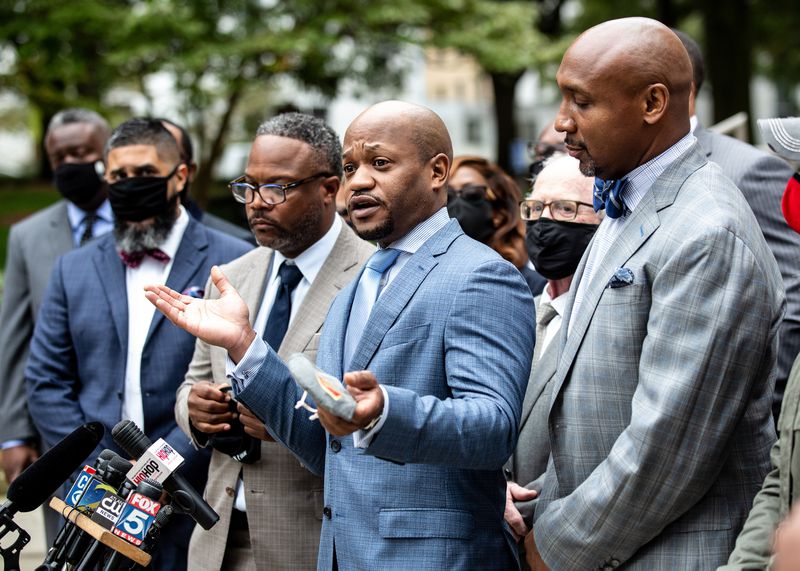
This story uses a summary lede because it explains the issue without relying on event coverage or name recognition as it attributes each name mentioned first. The nut graf serves its purpose by explaining the issue a bit more and why they are concerned about the DA prosecuting Trump. The most important quote is the first one used by Khalid Kamau. “‘I need my district attorney to be as motivated to prosecute renegade police as she is to go after a renegade ex-president who is 600 miles away,” said Khalid Kamau, a South Fulton city councilman who said county prosecutors have a “record of passing the buck” when it’s time to make politically difficult decisions.” This is the best one because it explains the issue in simple terms and gives a perspective of the issue from the local citizen’s standpoint. Description enhances this story because it helps to depict who exactly all these people are and give context to the issue.
 Peyton Jenkins